



Focus
 100% plant-based
 No Sugar Added
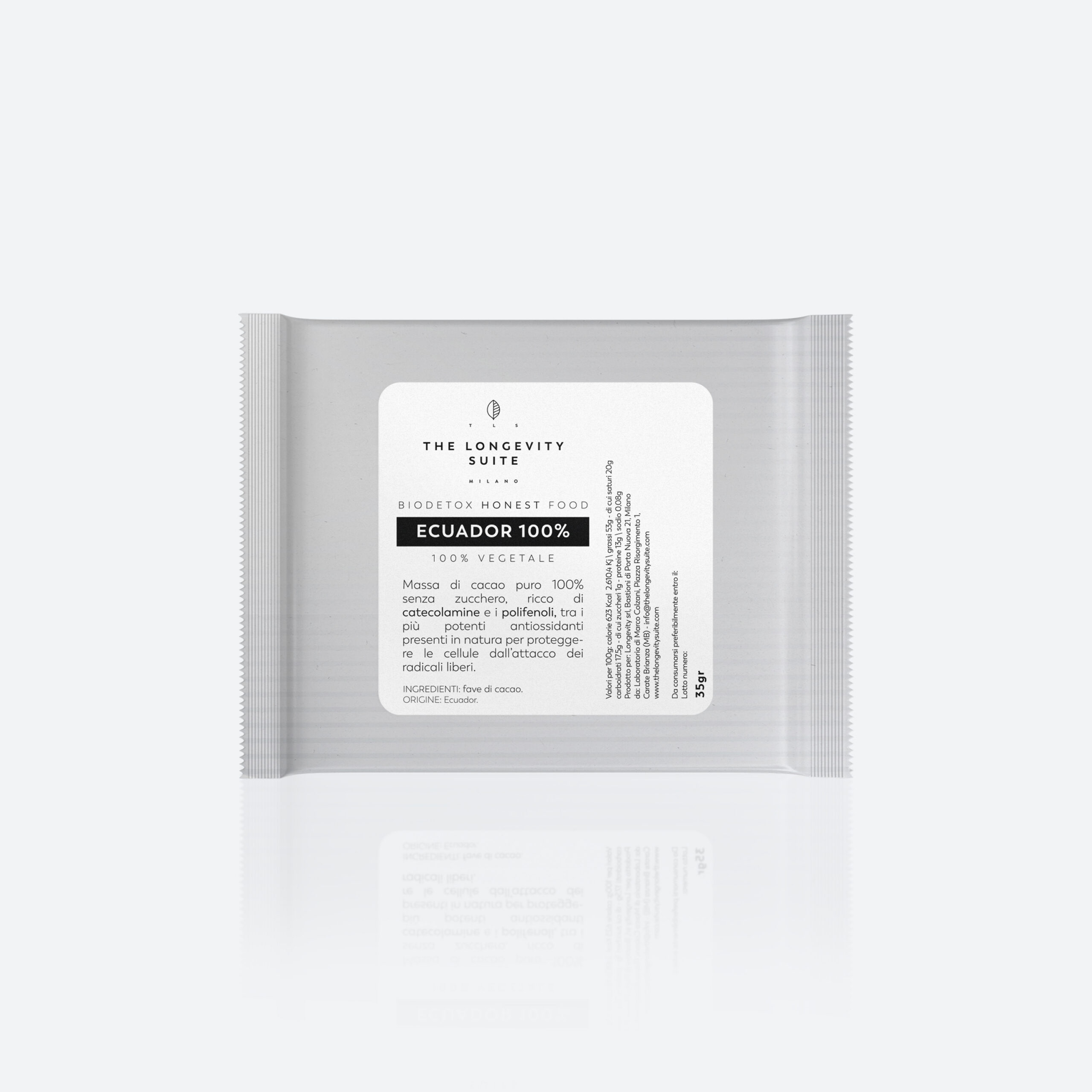
ECUADOR CHOCOLATE 100%
4,00€
Ecuador chocolate stands out with its delightful vegetal hints of dried fruit, honey, and juniper, offering a surprisingly smooth and pleasant taste despite being 100% cocoa. It’s an excellent choice for those seeking a sugar-free energy snack. This cocoa is distinguished by its low acidity and minimal astringency, making it our preferred selection.
Contents: 35 gr, 623 Kcal
Spedizione gratuita a partire da 100€

Your payment information is processed securely. We do not store credit card details nor have access to your card information.

Tutto quello che serve sapere, in ordine.
Scopri caratteristiche, benefici e modalità d’uso.
01
CHOCOLATE AND LONGEVITY
- Reduced cardiovascular risk
Studies show that dark chocolate improves vascular function by reducing oxidative stress, endothelial dysfunction, atherogenesis (formation of atherosclerotic plaques in the walls of the arteries) and blood pressure. - Reduced atherosclerosis risk
Proven helpful in reducing serum LDL cholesterol and triglycerides while increasing HDL cholesterol. Cocoa flavonoids may also inhibit platelet aggregation by downregulating eicosanoid synthesis. - Reduction of inflammation
Regular consumption of dark chocolate correlates with significantly lower C-reactive protein (CRP) levels in the blood (27%). - Improved insulin sensitivity
Daily chocolate intake shows an inverse relationship with markers of carbohydrate homeostasis (insulin, HOMA-IR, and fasting blood glucose levels) and liver enzymes in adults, suggesting that chocolate consumption could play an important role in sugar metabolism and liver health. - Mood Enhancement
Tryptophan and Magnesium in chocolate promote the production of serotonin, a neurotransmitter responsible for regulating mood by performing an antidepressant and stimulating effects. Chocolate also contains phenylethylamine, known as the “love chemical” produced by the brain. - Improved intestinal bacterial flora
Two recent studies published in Science indicate that dark chocolate consumption modifies and strengthens gut microbiota quality and improves overall gut health.
02
Cocoa beans
NUTRITIONAL FACTS per 100g
- Calories 623 Kcal
- Protein 13 g
- Carbohydrates 17.5 g
- Sugars 00 g
- Fats 53 g
- Saturated Fats 00 g
- Glycemic Index 00 g
- Flavonoids 550 mg
Consigliato per te

-

SMOOTHIE SWEET CINNAMON 220ML
To facilitate digestive processes. 100% vegetable smoothies with fresh fruit...
-

SMOOTHIE ACTIVE TURMERIC 220ML
Energizing smoothie for vitality. Nutritious plant-based smoothies with fresh and...
-
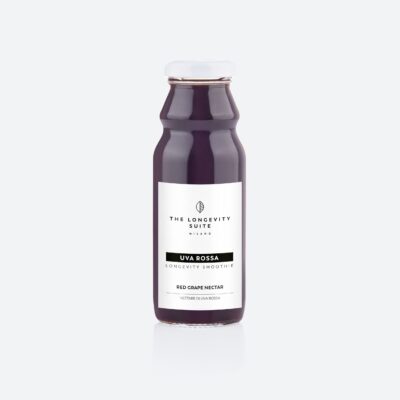
SMOOTHIE 100% RED GRAPES 220ML
Anti-aging smoothie to diminish signs of aging. Plant-based smoothies made...
-
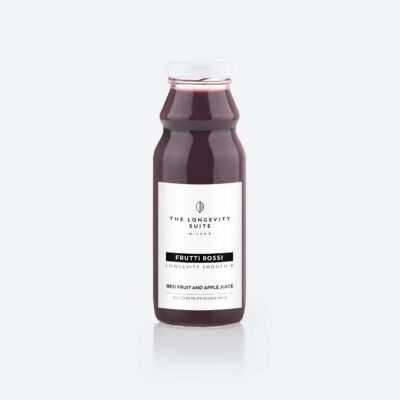
SMOOTHIE 100% RED FRUIT 220ML
Antioxidant smoothie to prevent infections. Healthy drinks made from fresh...
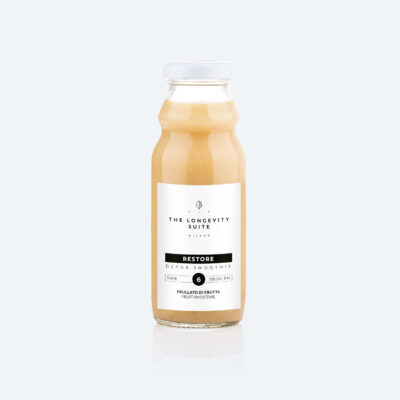
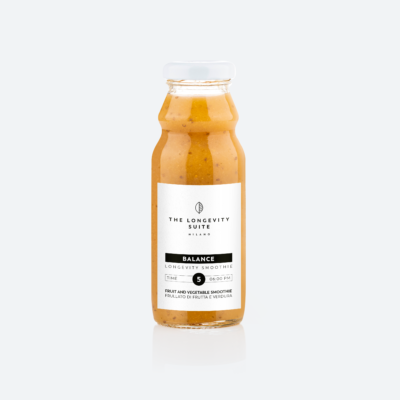
Our best-selling products
Discover our products designed to support your Longevity treatments and extend their benefits every day.




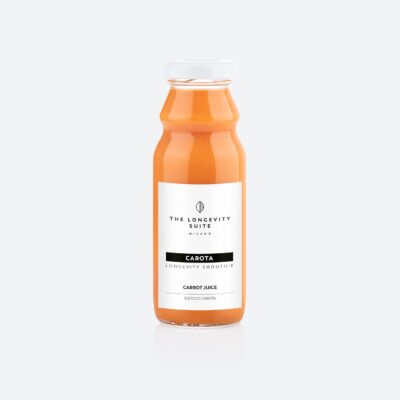
SMOOTHIE 100% CARROT 220ML
Skin nourishing smoothie to counteract free radicals. Authentic flavor: smoothies...